Best Dog Breeds for First-Time Owners
Every dog needs training and commitment, but some breeds forgive beginner mistakes more easily than others. Breeds bred for intense work, guarding, or protection often need an experienced handler who understands their drive — a first dog is usually more successful with a breed that's more forgiving of trial-and-error.
Breeds that tend to be great first dogs
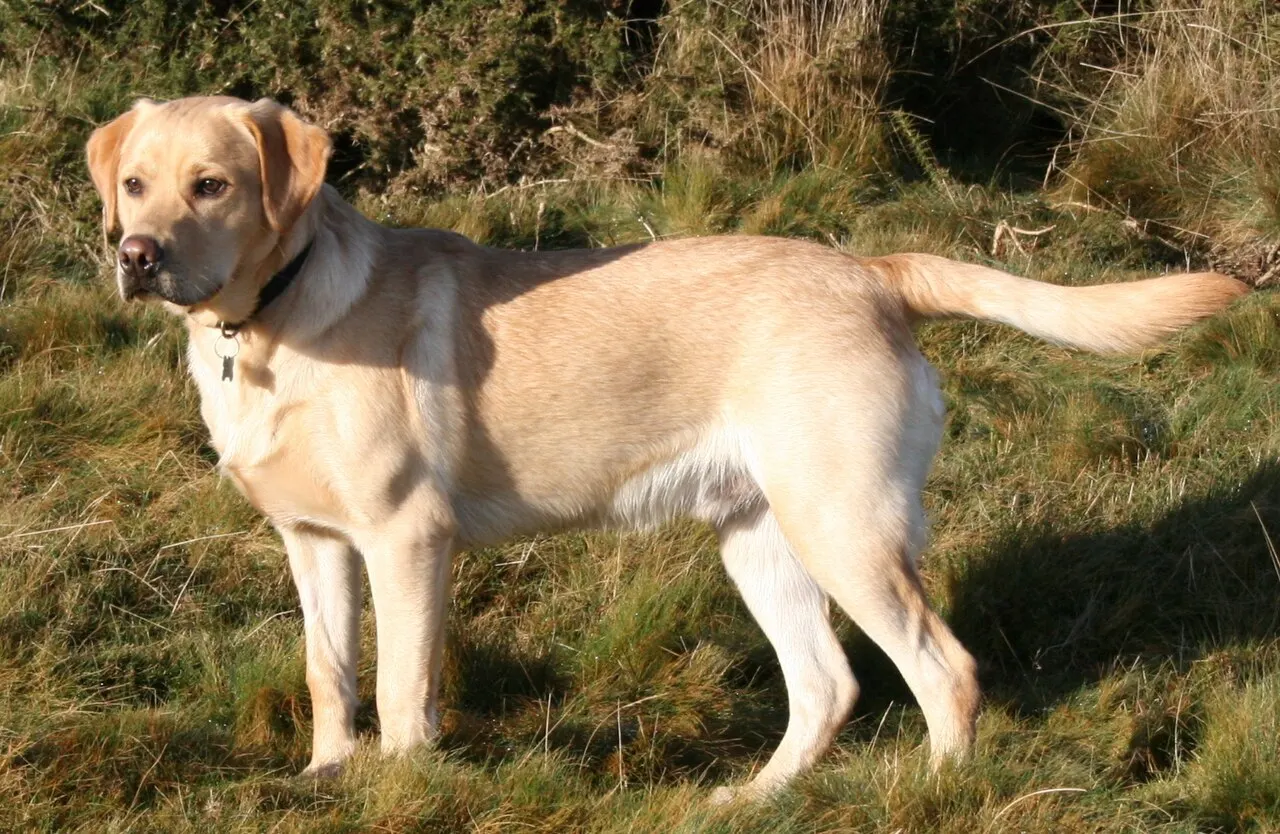
Labrador Retriever
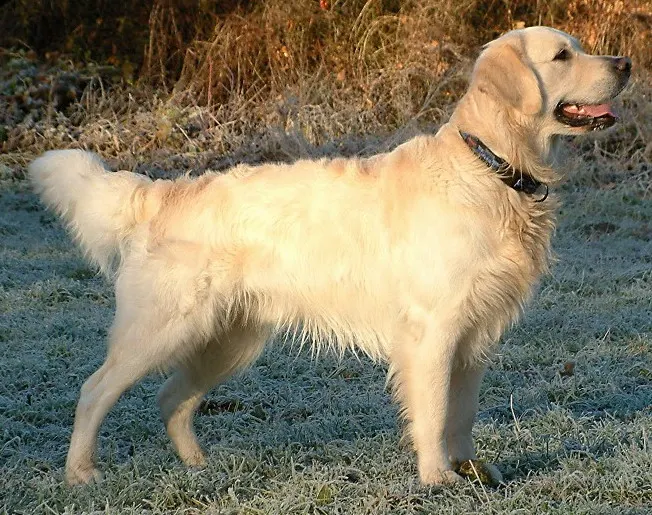
Golden Retriever
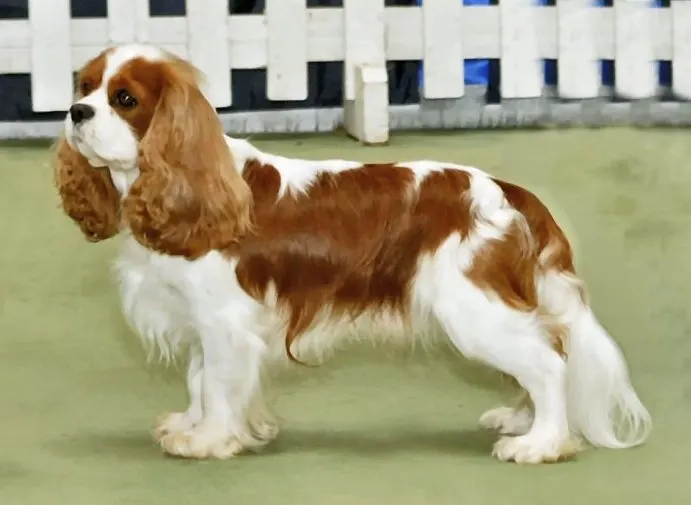
Cavalier King Charles Spaniel
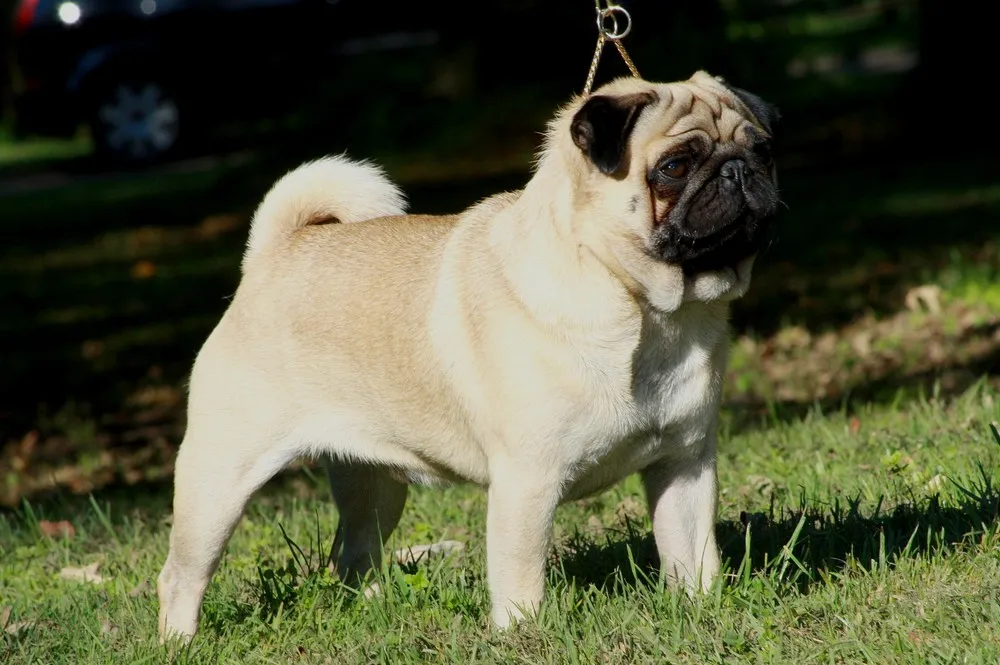
Pug
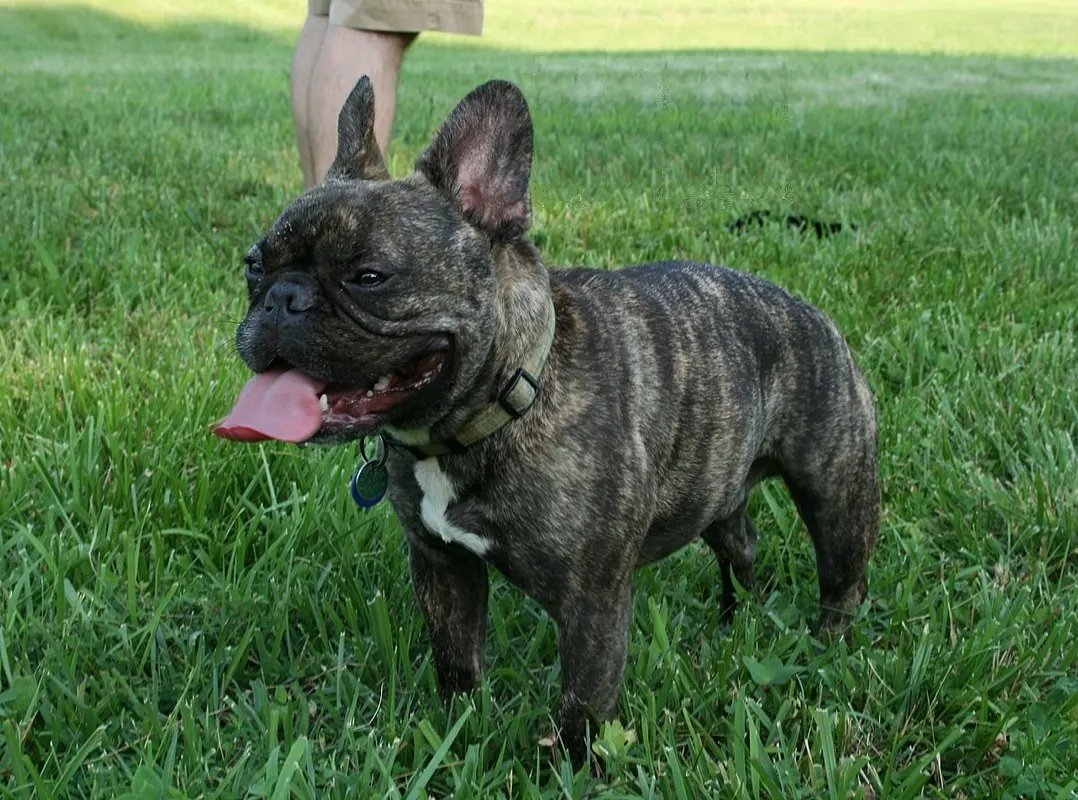
French Bulldog
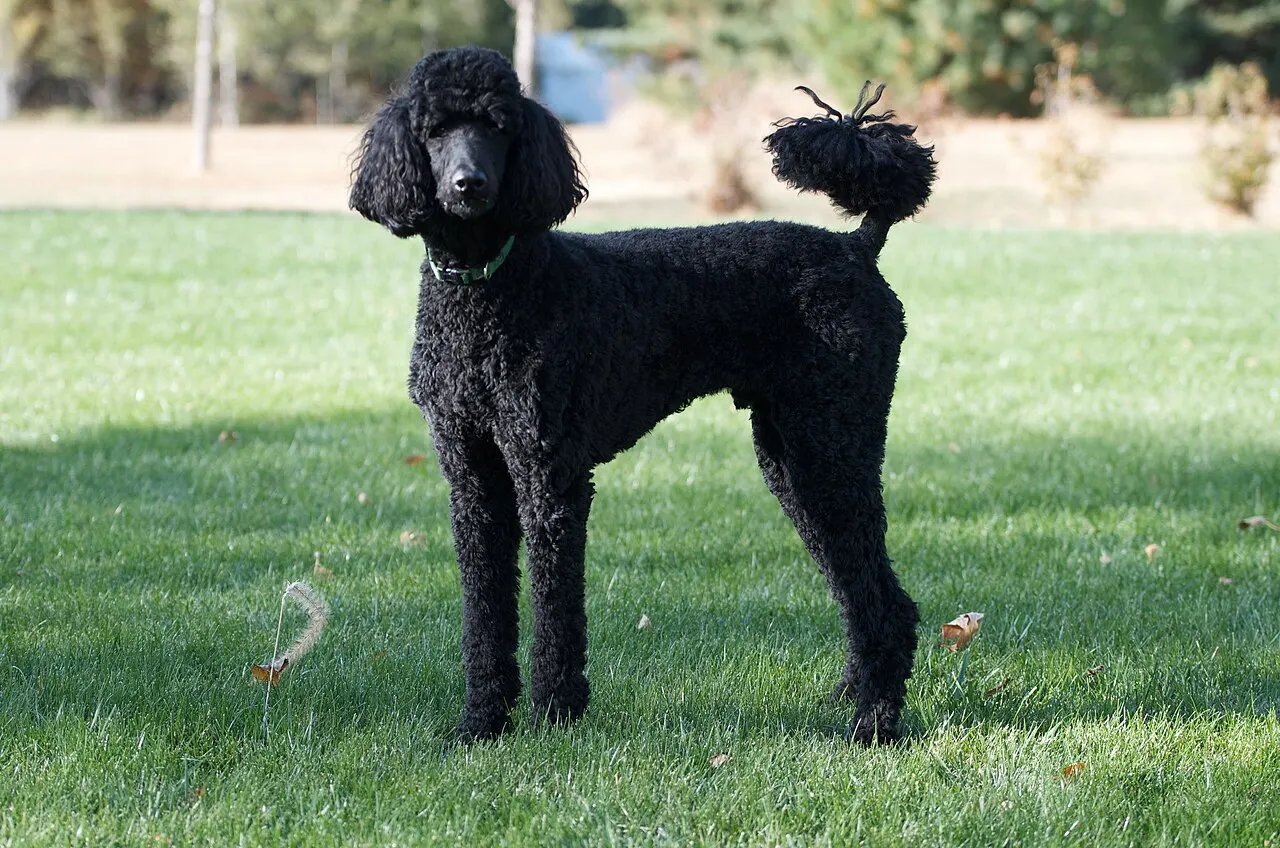
Poodle
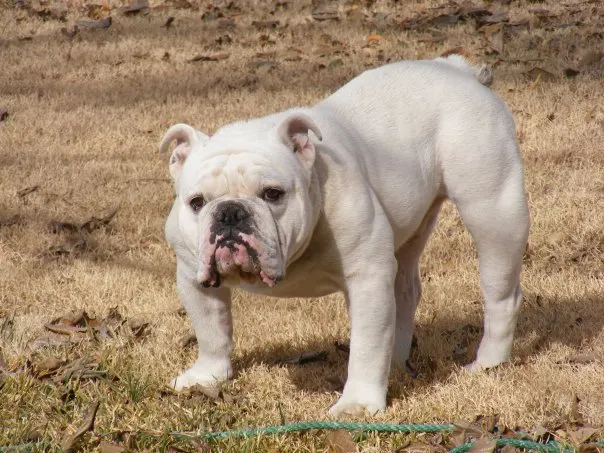
Bulldog
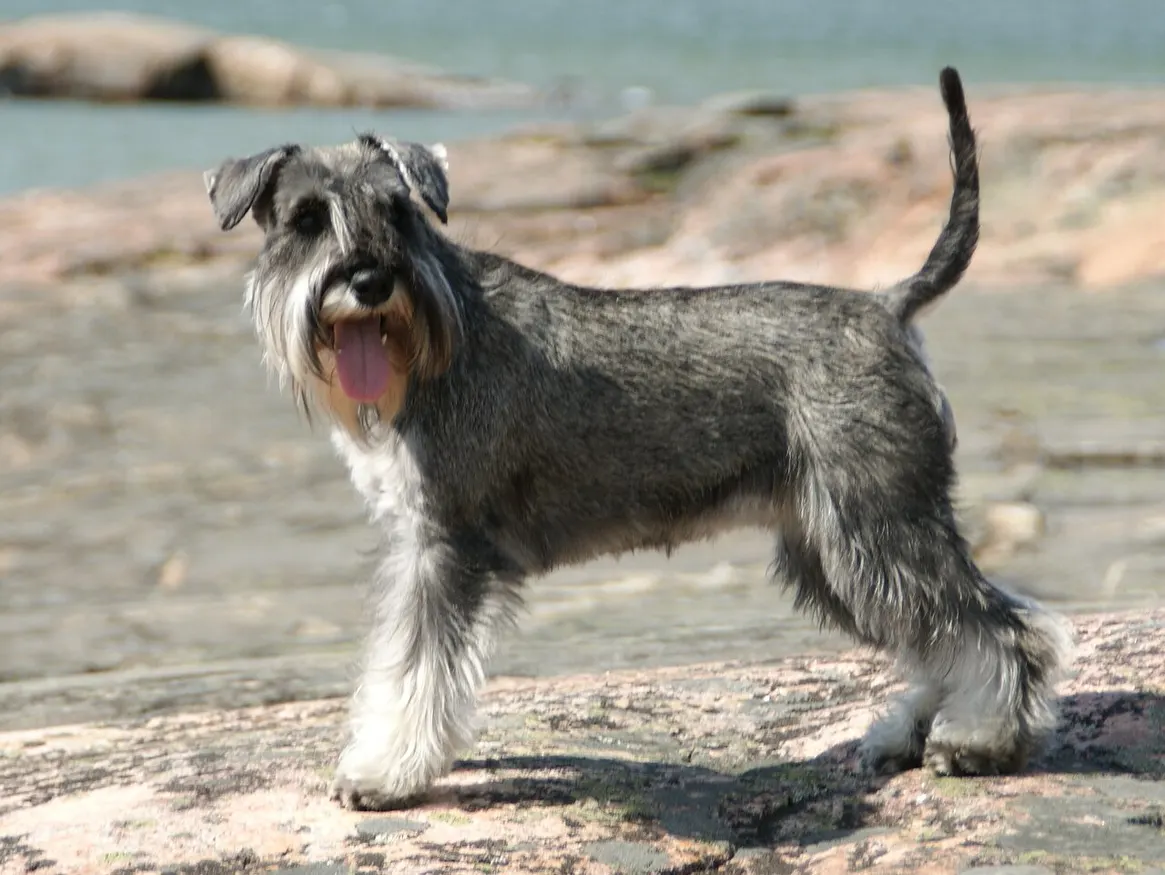
Miniature Schnauzer
Breeds better suited to experienced owners
These breeds aren't "bad dogs" — they're often intelligent, loyal, and rewarding — but they typically need an owner who already knows how to read canine body language, set firm boundaries, and manage a strong working or protective drive.
What actually causes first-time owners to struggle
Breed choice matters, but it's not the whole picture — and the data on why dogs actually get given up backs that up. A 22-year study of 3,204 dog relinquishments at a large Danish shelter found owner-related circumstances, not the dog's behavior, were the most commonly reported reason: owner health issues (29%), housing problems (21%), and lack of time (14%) collectively outweighed behavioral problems (23%) as reasons owners gave for giving up their dog. In other words, the honest question before getting a first dog isn't only "which breed is easiest" — it's whether your housing, schedule, and life stability can support a 10-15 year commitment right now, regardless of breed.
That doesn't make breed selection irrelevant — a breed that's a poor match for your energy level or experience genuinely raises the odds of frustration. It just means picking an easygoing breed doesn't substitute for being realistic about your own circumstances first.
Get a personalized match
Your living space, exercise time, and household also matter. Answer 5 quick questions in our Breed Match Quiz for matches tailored to your situation, not just one factor.
Frequently asked questions
What makes a dog breed good for first-time owners?
Predictable, easygoing temperament; training that responds well to basic, consistent methods; and exercise or grooming needs that don't require specialized experience to manage. Breeds developed for guarding, protection, or intense working drive tend to need a more experienced handler.
Should a first-time owner avoid high-energy breeds?
Not necessarily avoid, but budget honestly for the time commitment. A high-energy breed can work for a first-time owner who has the time and motivation for serious daily exercise — the risk is underestimating that commitment, not the breed itself.
Is breed choice really the biggest factor in first-time-owner success?
It matters, but less than most first-time owners assume. A 22-year study of shelter relinquishments in Denmark — 3,204 dogs — found owner-related circumstances, not the dog's behavior, were the most common reason dogs were given up: owner health issues (29%), housing problems (21%), and lack of time (14%) outweighed behavioral problems (23%) as reported reasons. Breed fit affects the odds, but life-circumstance readiness is the bigger variable.
What actually causes people to give up their first dog?
According to that same research, it's rarely just "the dog was too much." Owner health problems were the single most common reason across the study period, followed by housing issues (a move, a lease that doesn't allow the breed or size) and simply not having enough time — with behavioral problems close behind but not dominant. This is exactly why the honest question for a first-time owner isn't just "which breed is easiest" but "is my housing, schedule, and life situation actually stable enough for a 10-15 year commitment right now."
How can a first-time owner set themselves up for success beyond picking the right breed?
Be realistic about your actual daily and weekly time budget before adopting, not just what you hope to have; confirm your housing situation (lease terms, HOA rules, space) can support the breed and size you're considering for the long term, not just right now; and budget for the ongoing cost, not just the adoption fee. These "boring" logistics predict success better than temperament quizzes alone.

Related guides
Sources
Cost figures on this page come from the sources below. Veterinary pricing moves quickly and varies a lot by region, so treat every number as a planning range rather than a quote.
- Jensen JBH, Sandøe P, Nielsen SS. Owner-Related Reasons Matter more than Behavioural Problems — A Study of Why Owners Relinquished Dogs and Cats to a Danish Animal Shelter from 1996 to 2017 (2020) — Animals (MDPI), peer-reviewed journal. A 22-year study of 3,204 dog relinquishments at a large Danish shelter, from researchers at the University of Copenhagen. Used for the breakdown of why owners actually give up dogs. Checked Sep 22, 2026.