Best Family Dog Breeds
Written for general planning, not medical advice — no one at Argos Paws is a veterinarian. If something is wrong with your dog right now, call your vet or the nearest emergency clinic.
"Good with kids" isn't just about a friendly face — it comes down to temperament stability, tolerance for noise and rough handling, and how forgiving a breed is of a young kid's mistakes. No breed is automatically safe without supervision and training, but some breeds are documented to be more consistently patient than others.
In the UK? See best family dogs for UK homes, with sizes in kg and the UK rules on buying a puppy.
Breeds known for being great with kids
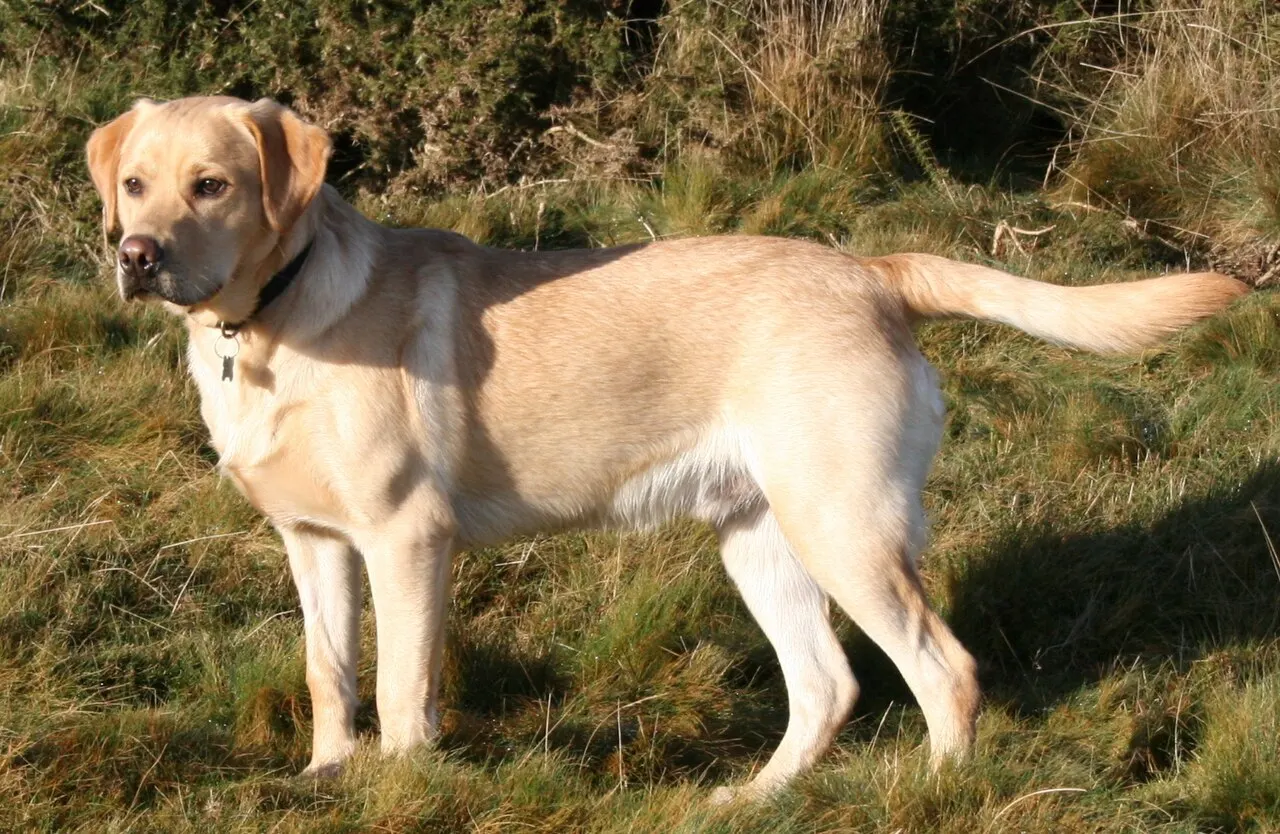
Labrador Retriever
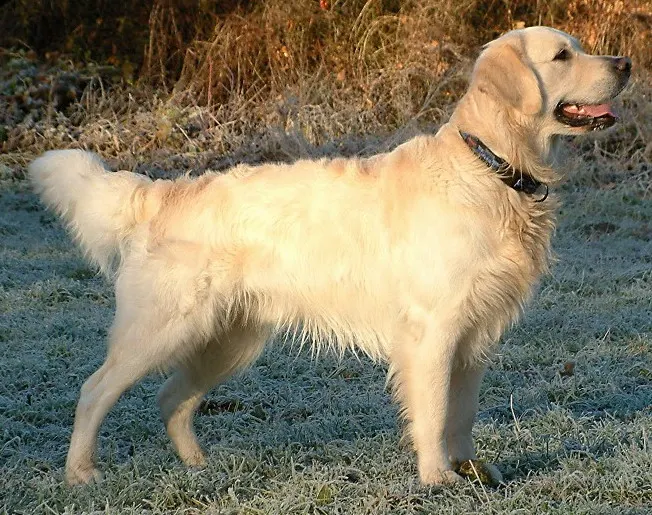
Golden Retriever
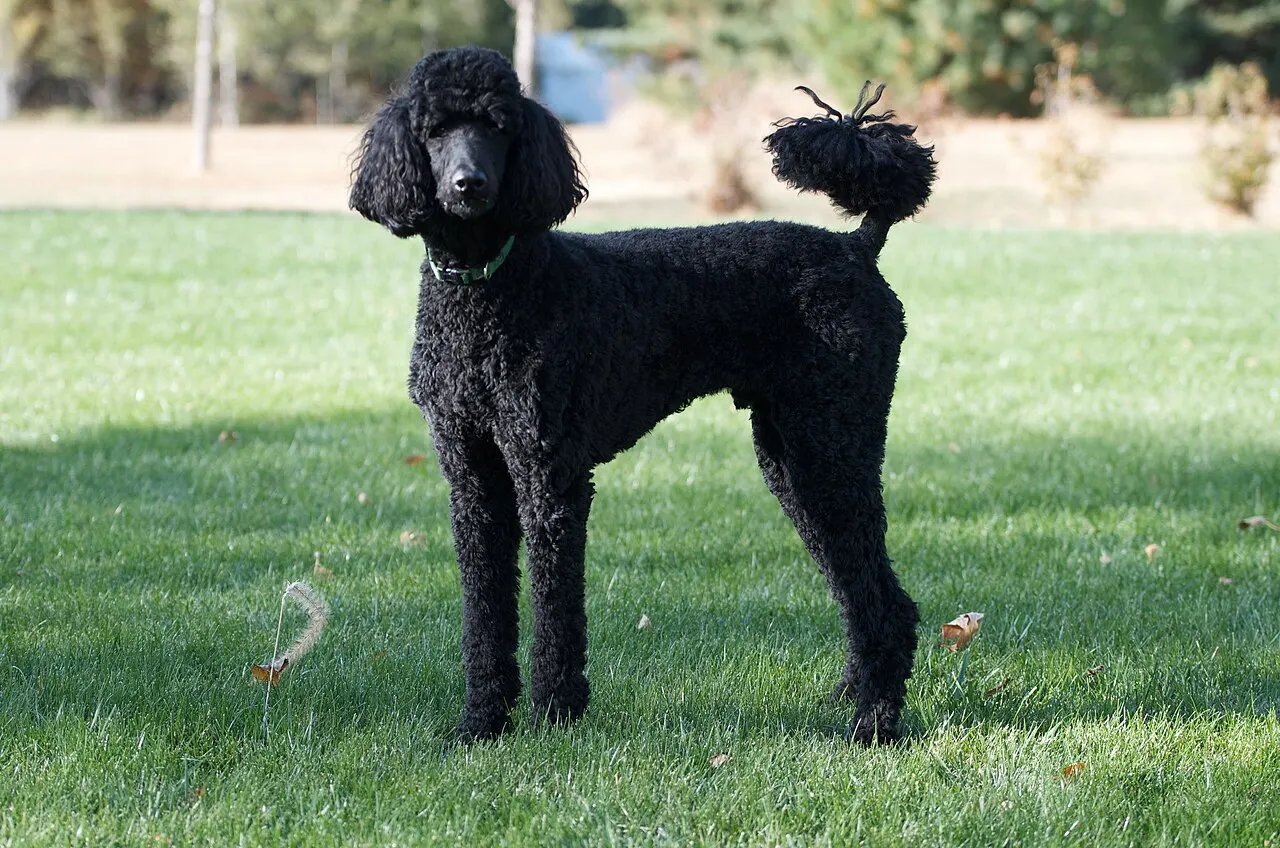
Poodle
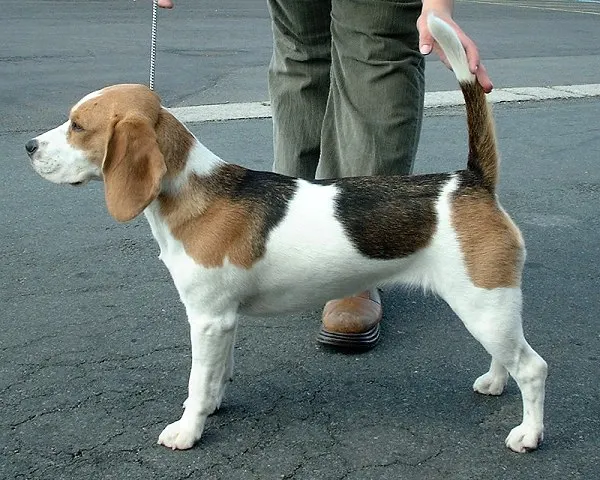
Beagle

Bulldog

Cavalier King Charles Spaniel
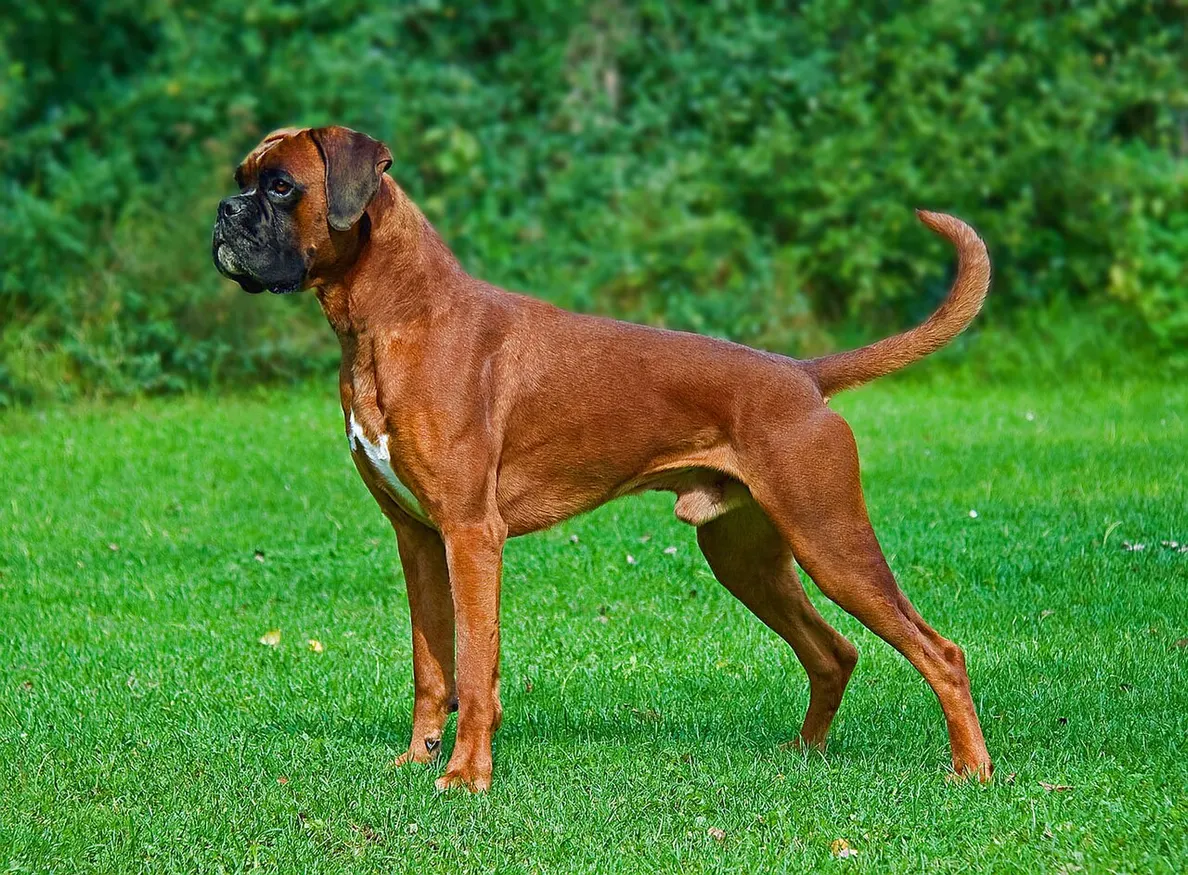
Boxer
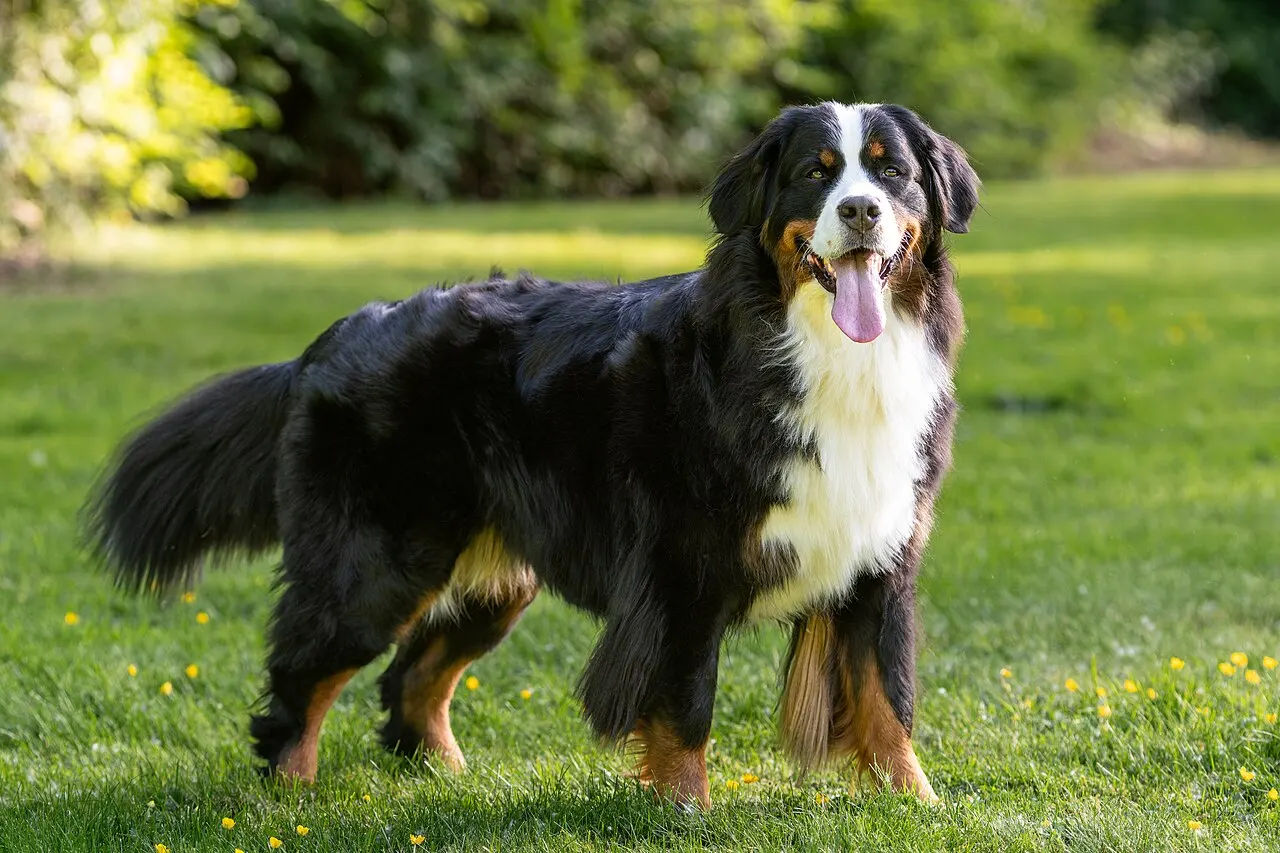
Bernese Mountain Dog
Breeds that need extra care with young kids
These breeds aren't "bad with kids" — but they're either more fragile, more easily overwhelmed, or need more experienced handling to manage safely around young children.
Supervision matters more than breed
This is worth being direct about: no breed on the list above makes supervision optional. More than half of all dog-related injuries in the U.S. happen to children, and young children specifically are most often bitten on the head and neck — a pattern that shows up across breeds, including the ones widely recommended for families. The consistent advice from veterinary behaviorists is simple but specific: never leave a young child unsupervised with a dog, even a calm, familiar family pet, and teach kids not to pull ears or tails, approach a dog while it's eating or sleeping, corner a dog so it can't move away, or put their face close to a dog's face.
Dogs also signal discomfort well before a bite — lip licking when not eating, showing the whites of the eyes, yawning when not tired, a tucked tail, or trying to move away — and recognizing those signals, both as the supervising adult and by teaching your kids to notice them, is one of the most effective things a family can actually do, more effective than breed selection alone.
Get a personalized match
Want matches based on your specific household, not just one factor? Answer 5 quick questions in our Breed Match Quiz.
Frequently asked questions
What makes a dog breed good with kids?
A stable, patient temperament, tolerance for noise and unpredictable handling, and a size/build that makes accidental rough play less risky. Early socialization and training matter as much as breed — but some breeds are more forgiving of a young kid's mistakes than others.
Are small dogs better with kids than large dogs?
Not necessarily. Some small breeds are fragile or easily overwhelmed by young kids and can react defensively, while several large breeds (like Golden Retrievers and Labradors) are specifically bred for a gentle, tolerant temperament that suits families well.
Is any dog breed guaranteed safe with kids?
No, and this is worth being direct about. More than half of all dog-related injuries in the U.S. are to children, and young children specifically are most likely to be bitten on the head and neck — a pattern that holds true across breeds, including ones widely considered family-friendly. Breed tendencies genuinely matter for the odds, but no breed removes the need for supervision.
What are the actual safety rules for kids and dogs?
The consistent guidance from veterinary behaviorists: never leave a young child unsupervised with a dog, even a calm, familiar family pet; don't let kids pull ears or tails, approach a dog while it's eating or sleeping, corner a dog so it can't move away, or put their face close to a dog's face. Most dog bites are preventable, and prevention comes down to supervision and teaching kids these specific rules rather than trusting a breed reputation alone.
How do I know if a dog is uncomfortable around my child?
Dogs signal discomfort well before a bite, but the signs are easy to miss if you don't know what to look for: lip licking when not eating, showing the whites of the eyes ("whale eye"), yawning when not tired, turning the head away, pinned-back ears, a tucked tail, or trying to move away from the interaction. Teaching kids to recognize and respect these signals — and stepping in as the supervising adult when you see them — is one of the most effective ways to prevent an incident.
What age should a child be before getting a family dog?
There's no universal rule, but many trainers and behaviorists suggest waiting until a child is at least 4-6 years old before bringing a dog into the home specifically for a young child to grow up with, since younger children are less able to read a dog's warning signals or follow handling rules consistently. If a child is younger than that, an adult dog with a known, stable temperament tends to be a safer fit than a puppy still developing its own behavior.

Related guides
Sources
Cost figures on this page come from the sources below. Veterinary pricing moves quickly and varies a lot by region, so treat every number as a planning range rather than a quote.
- US Dog-Related Injury Claim Payouts Hit $1.57 Billion in 2024 — Insurance Information Institute (Triple-I) and State Farm. Includes commentary from AVMA president Dr. Sandra Faeh, released during National Dog Bite Prevention Week. Used for the statistic that more than half of dog-related injuries are to children, most often young children, and that most bites are preventable through supervision and education. Checked Sep 22, 2026.