Low-Maintenance & Low-Shedding Dog Breeds
Grooming is a real, recurring cost of dog ownership — in time if you do it yourself, or in money ($40-$90 per visit) if you use a professional groomer. If minimizing that is a priority, coat type and shedding tendency matter more than breed popularity.
Breeds that need the least grooming
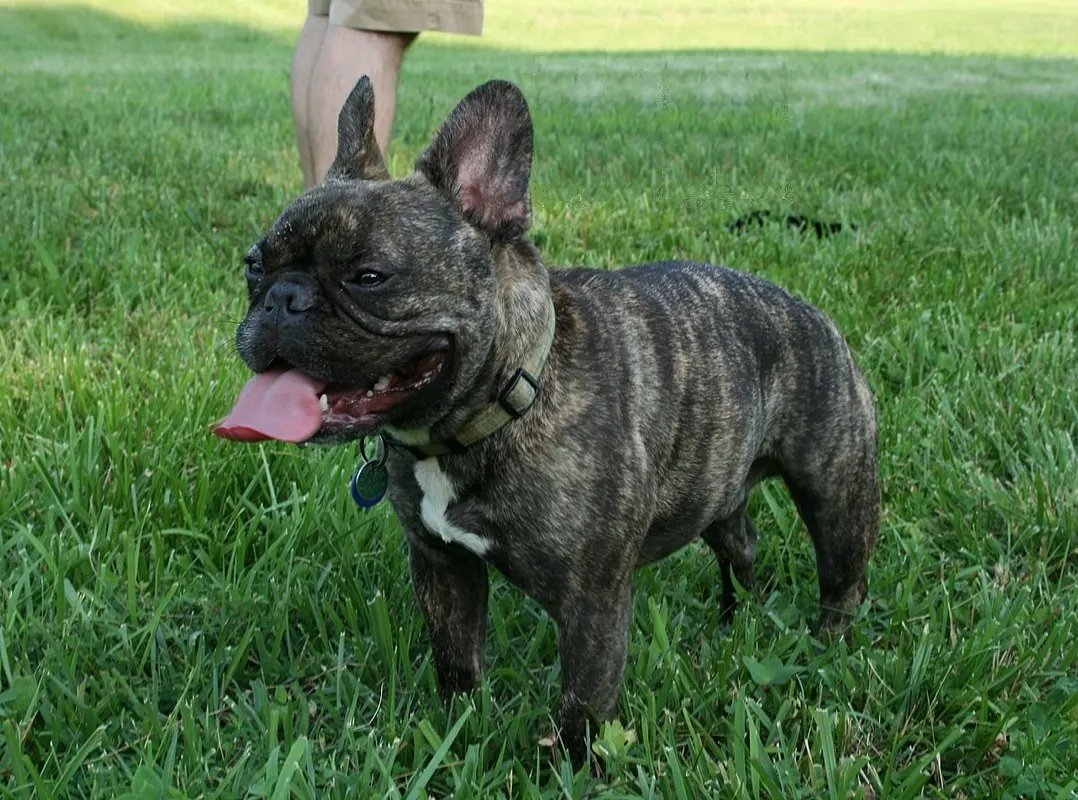
French Bulldog
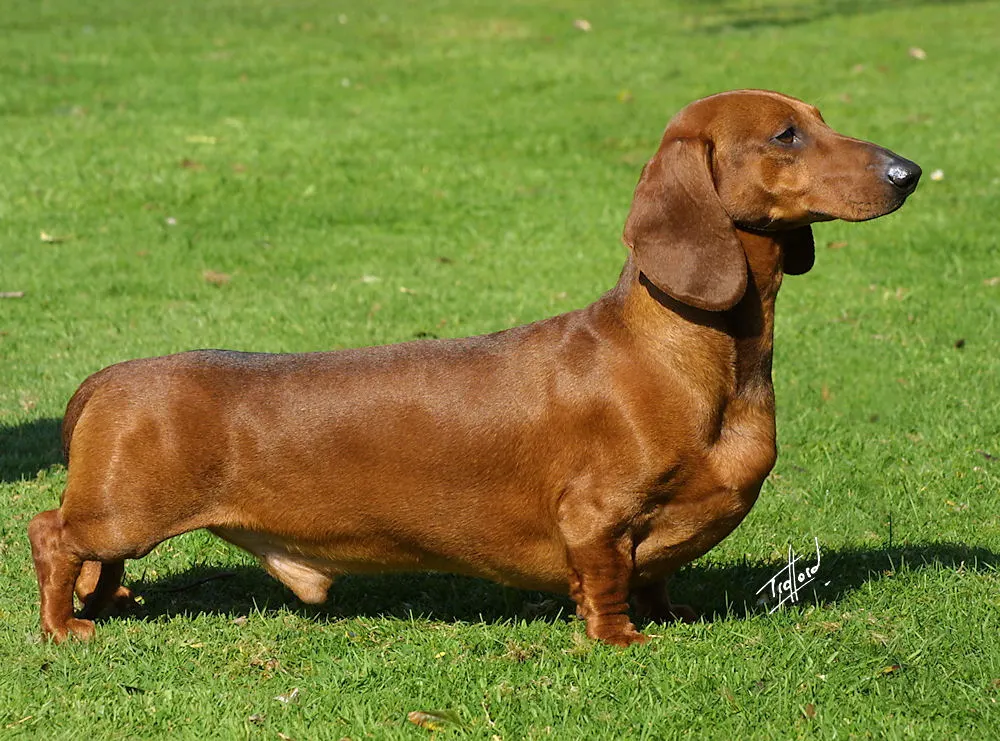
Dachshund
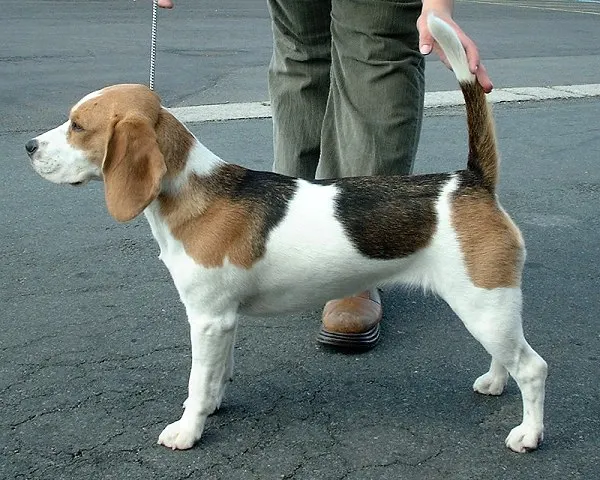
Beagle

Rottweiler
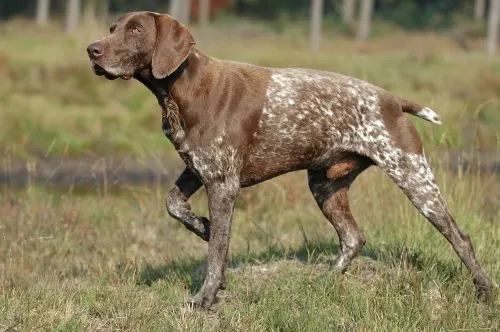
German Shorthaired Pointer
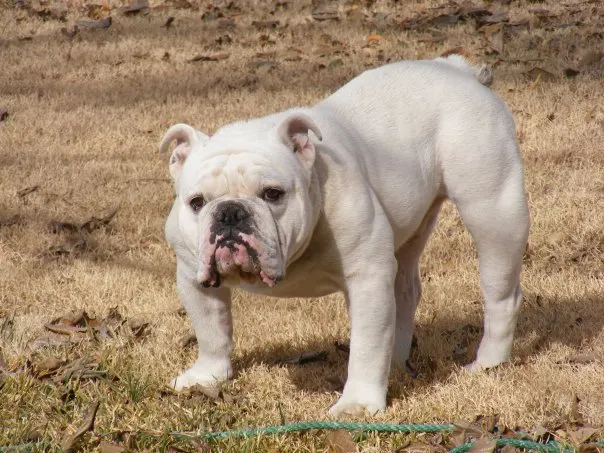
Bulldog

Cane Corso

Doberman Pinscher
Breeds that need frequent brushing or professional grooming
These breeds have coats that mat, tangle, or require trimming without regular upkeep — budget real time or money for grooming if you're considering one of these.
Low-shedding isn't the same as hypoallergenic
If allergies are the actual reason you're looking at low-shedding breeds, it's worth knowing what the research actually shows. A study of 173 homes around Detroit, conducted by Henry Ford Health System and Georgia Health Sciences University researchers, tested for the common dog allergen Can f 1 and found detectable levels in 94% of homes tested — with no statistically significant difference between homes with breeds marketed as "hypoallergenic" and homes with other breeds, according to the American College of Allergy, Asthma and Immunology (ACAAI). The allergen comes primarily from dander, saliva, and skin glands, not shed hair itself, which is why a coat that sheds less doesn't reliably translate to an allergen-light home.
ACAAI's guidance is direct: individual dogs likely do vary in how much allergen they produce, but there's no consistent difference by breed, and no readily available test to predict it in advance. If allergies are a real concern in your household, an allergist evaluation is a more reliable path than choosing a breed based on its "hypoallergenic" reputation.
Get a personalized match
Grooming is one factor among several. Answer 5 quick questions in our Breed Match Quiz to see matches based on your full lifestyle, not just coat care.
Frequently asked questions
Which dog breeds need the least grooming?
Short-coated breeds with minimal shedding tendencies — like the Boxer, Beagle, and Boston Terrier — generally need just occasional brushing and bathing, with no professional grooming required.
Does low-shedding mean hypoallergenic?
No — low-shedding is not the same as hypoallergenic, and this is backed by real testing, not just a general caveat. A study of 173 homes around Detroit, conducted by researchers at Henry Ford Health System and Georgia Health Sciences University, tested for the common dog allergen Can f 1 and found detectable levels in 94% of homes — with no statistically significant difference in allergen levels between homes with "hypoallergenic" breeds and homes with other breeds, according to the American College of Allergy, Asthma and Immunology (ACAAI). The allergen comes from dander, saliva, and skin glands, not primarily from shed hair, which is why a low-shedding coat doesn't reliably mean a low-allergen dog.
Is there any scientific evidence that some individual dogs are less allergenic than others?
There's a meaningful distinction here worth understanding: ACAAI notes that individual dogs likely do vary in how much allergen they produce, but there's no clear or consistent difference by breed. So while it's plausible a specific dog might be better tolerated by a specific allergic person, that's not something you can reliably predict from breed alone before bringing a dog home — and there's currently no readily available test to determine it in advance.
What should someone with dog allergies actually do instead of picking a "hypoallergenic" breed?
ACAAI's practical guidance: an allergist can evaluate your specific symptoms and prescribe appropriate medication, and allergen immunotherapy (allergy shots) can reduce sensitivity to dog allergens over time. For some people, avoiding exposure to dogs that trigger symptoms remains the most reliable medical advice — a breed's coat type or reputation as "hypoallergenic" isn't a substitute for that evaluation.
Does regular grooming reduce allergens even if it doesn't eliminate them?
It can help reduce the amount of loose dander and hair circulating in the home, even though it doesn't address the underlying allergen production. Regular bathing and brushing, done outside if possible, plus frequent vacuuming and air filtration, are reasonable damage-control measures for an allergy-prone household — just not a guarantee, and not a substitute for medical guidance if symptoms are significant.

Related guides
- Breed Match Quiz
- Browse all breed guides
- Best dog breeds for apartments
- How Much Does Dog Grooming Cost?
Sources
Cost figures on this page come from the sources below. Veterinary pricing moves quickly and varies a lot by region, so treat every number as a planning range rather than a quote.
- Pet Allergies — American College of Allergy, Asthma and Immunology (ACAAI). Cites Nicholas et al., "Dog allergen levels in homes with hypoallergenic compared with nonhypoallergenic dogs," American Journal of Rhinology & Allergy, 2011;25(4):252-6 (a Henry Ford Health System / Georgia Health Sciences University study of 173 homes). Used for the finding that dog allergen levels do not differ meaningfully by breed. Checked Sep 22, 2026.