Siberian Husky Size & Weight Chart: How Big Do They Get?
Written for general planning, not medical advice — no one at Argos Paws is a veterinarian. If something is wrong with your dog right now, call your vet or the nearest emergency clinic.
Quick answer: A full-grown Siberian Husky typically weighs 35-60 lb (16-27 kg) and stands 20-23.5 in (51-60 cm) tall at the shoulder; males usually weigh 45-60 lb (20-27 kg) and females 35-50 lb (16-23 kg). Most reach their adult size by around 12-15 months.
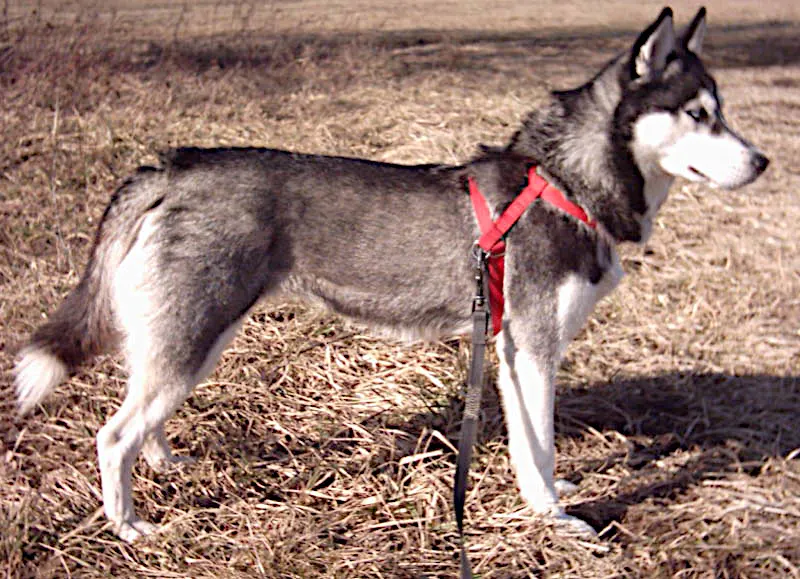
Photo: xJaM · CC BY-SA 3.0 · via Wikimedia Commons
Siberian Huskies are a striking, high-endurance sled-dog breed built for cold-weather work. They are friendly and social but famous for their independent streak, strong prey drive, and talent for escaping fences.
| Size category | Medium |
|---|---|
| Typical adult weight | 35-60 lb (16-27 kg) |
| Height at the shoulder | 20-23.5 in (51-60 cm) |
| Full grown by | 12-15 months |
| Life expectancy | 12-14 years |
Male vs female Siberian Husky size
| Weight | Height | |
|---|---|---|
| Male | 45-60 lb (20-27 kg) | 21-23.5 in (53-60 cm) |
| Female | 35-50 lb (16-23 kg) | 20-22 in (51-56 cm) |
Per the AKC breed standard. Individual dogs can sit outside these ranges and still be perfectly healthy — body condition matters more than hitting a number.
Siberian Husky weight chart by age (lb & kg)
Estimated weights for an average Siberian Husky puppy, based on the typical growth curve for a medium breed. Males usually track toward the top of each figure, females toward the bottom.
| Age | Weight (lb) | Weight (kg) |
|---|---|---|
| 2 months | ~13 lb | ~5.9 kg |
| 3 months | ~21 lb | ~9.5 kg |
| 4 months | ~29 lb | ~13 kg |
| 5 months | ~34 lb | ~15 kg |
| 6 months | ~40 lb | ~18 kg |
| 12-15 months (full grown) | 35-60 lb | 16-27 kg |
When does a Siberian Husky stop growing?
As a large breed, Siberian Huskies typically reach adult weight by 12-15 months. Smaller breeds like the Siberian Husky reach full height and fill out fairly close together, so growth tends to look "done" all at once.
Use the Puppy Weight Predictor below — it's pre-loaded with the Siberian Husky's growth curve, so just enter your puppy's current weight and age.
Predict your Siberian Husky's adult weight
Enter your puppy's current weight and age to get an estimate based on this breed's typical growth curve.
Open the Puppy Weight PredictorHow much does it cost to feed a Siberian Husky?
A typical adult Siberian Husky (48 lb, average activity) needs roughly 1120 kcal/day — about 0.7 lb (2.6 cups) of dry kibble per day, which works out to around $40/month at typical kibble prices. Fresh or subscription-style food usually costs more, around $448/month for the same dog. These are population-level estimates — use the calculator below for a number based on your dog's actual weight and food type, or see the Siberian Husky feeding chart for puppy amounts by month.
Estimate Siberian Husky food costs
Pre-filled with this breed's typical adult weight — adjust activity level and food type to get your monthly estimate.
Open the Dog Food Cost CalculatorBrowse dog food sized for a Siberian Husky
Compare dry, wet, and breed-specific formulas — filter by your dog's size and life stage to narrow it down.
Browse dog food on Amazon(affiliate link)How old is my Siberian Husky in human years?
The old "×7" rule doesn't hold up — medium breeds like the Siberian Husky age at their own rate, not a generic one. Use the calculator below, pre-set to this breed's size.
Convert your Siberian Husky's age
Pre-filled with this breed's size category for a more accurate human-year estimate than a flat multiplier.
Open the Siberian Husky Age CalculatorCommon health considerations
- Hereditary eye conditions, including progressive retinal atrophy and cataracts, are documented in the breed.
- Hip dysplasia occurs, though at a lower rate than in many similarly sized breeds.
- Zinc-responsive dermatosis, a skin condition, appears more often in Huskies than most breeds.
This is general breed-level information, not a diagnosis or a prediction for any individual dog. Talk to your vet about health screening and preventive care specific to your dog.
Is pet insurance worth it for a Siberian Husky?
See a typical monthly premium for this breed and whether it would likely pay off against a major vet bill.
Siberian Husky insurance costSimilar breeds
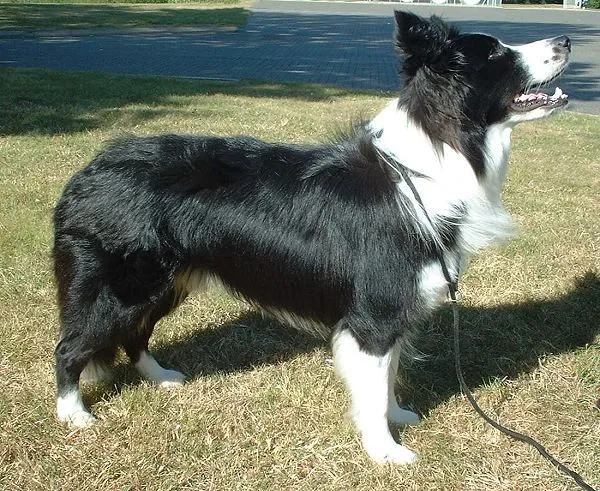
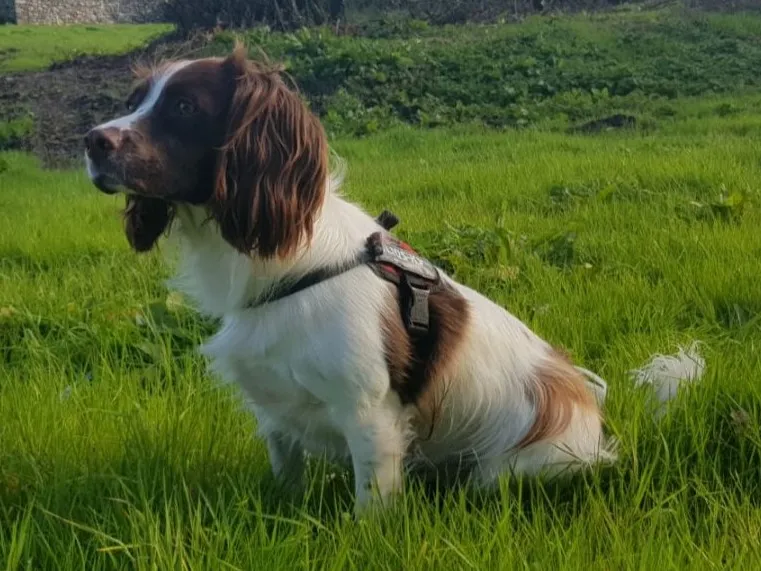
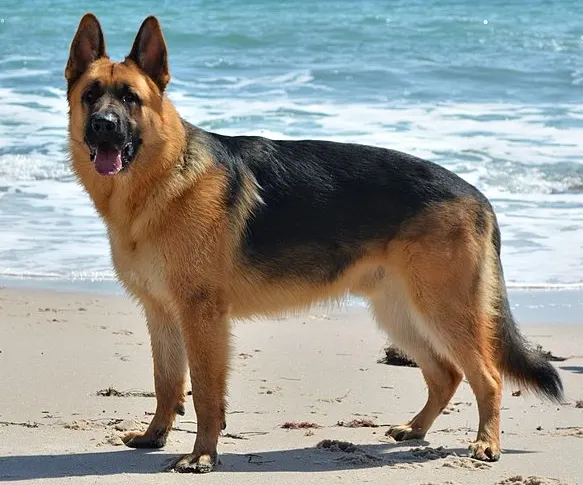
Based on energy level, living-space fit, and care needs, these breeds are closest to the Siberian Husky:
Take our breed match quiz
Answer a few quick questions about your lifestyle and living space to see which breeds — not just the Siberian Husky — actually fit best.
Take the Breed Match QuizFrequently asked questions
How much does a full-grown Siberian Husky weigh?
A full-grown Siberian Husky typically weighs 35-60 lb (16-27 kg), making it a medium breed. Males usually weigh 45-60 lb (20-27 kg) and females 35-50 lb (16-23 kg). Individual dogs vary within that range depending on sex, genetics, and body condition — use the Puppy Weight Predictor above for an estimate based on your specific puppy's current weight and age.
How tall is a full-grown Siberian Husky?
A full-grown Siberian Husky stands 20-23.5 in (51-60 cm) tall, measured at the shoulder (withers). Males are typically 21-23.5 in (53-60 cm) and females 20-22 in (51-56 cm).
When does a Siberian Husky stop growing?
As a large breed, Siberian Huskies typically reach adult weight by 12-15 months. Height typically levels off a bit before this; smaller breeds like this one fill out relatively quickly once they reach height.
Is a Siberian Husky a good first dog?
The Siberian Husky is usually better suited to an owner with some prior dog experience. That doesn't rule out a well-prepared first-time owner, but the breed's needs are less forgiving of a learn-as-you-go approach.
How much exercise does a Siberian Husky need?
A lot. The Siberian Husky needs serious daily exercise — 60-90+ minutes, ideally with a job to do (training, fetch, hiking) rather than just a walk. An under-exercised Siberian Husky is a common source of destructive or restless behavior.
Is a Siberian Husky good with kids?
Generally good with kids, especially with basic training and normal socialization. As with any breed, supervise younger children and teach them how to approach and handle the dog.
How much grooming does a Siberian Husky need?
Fairly involved. Regular brushing (several times a week) and periodic trims or professional grooming will keep a Siberian Husky looking and feeling its best.